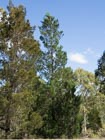
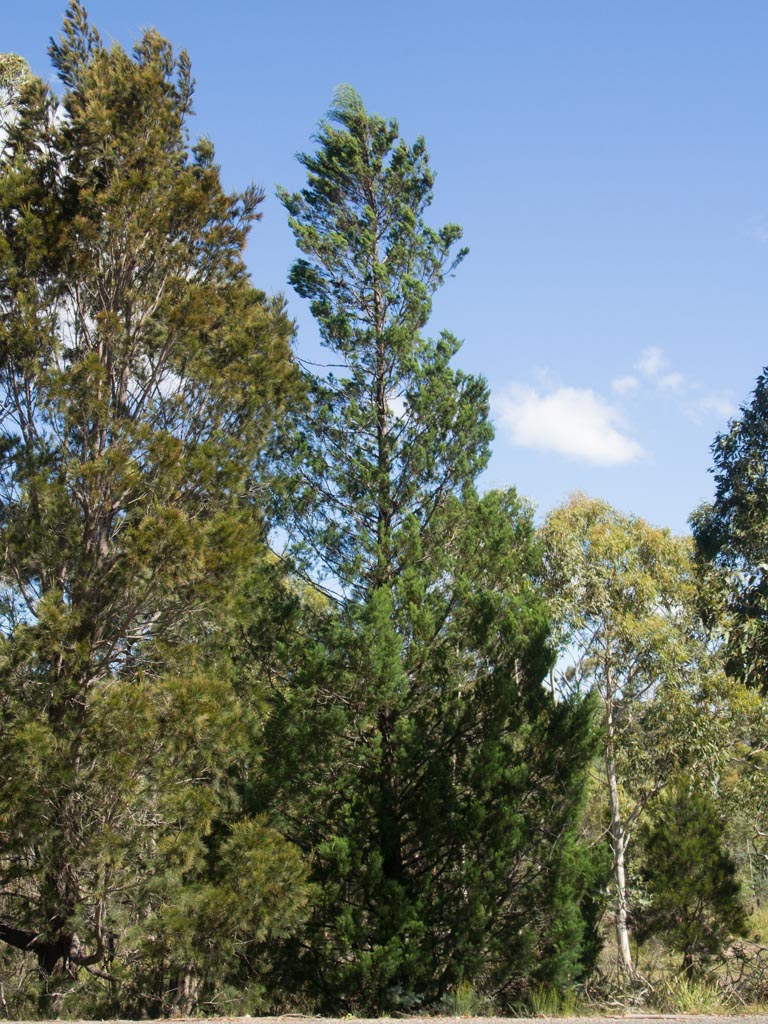
Mature tree in a postfire regeneration stand, Tasmania [C.J. Earle, 2015.03.05].
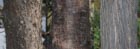
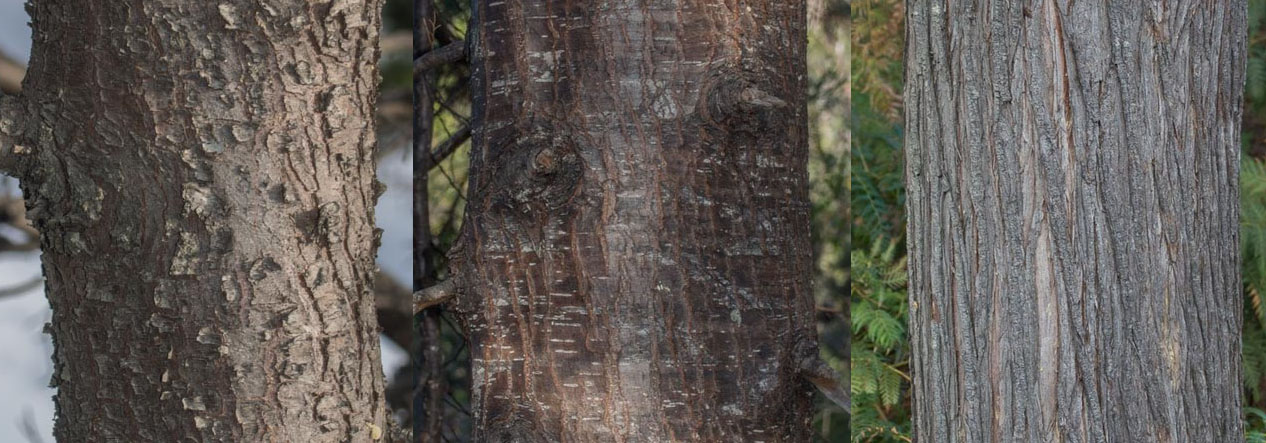
Bark on trees in Tasmania, 10-30 cm diameter [C.J. Earle, 2015.03].
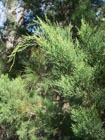
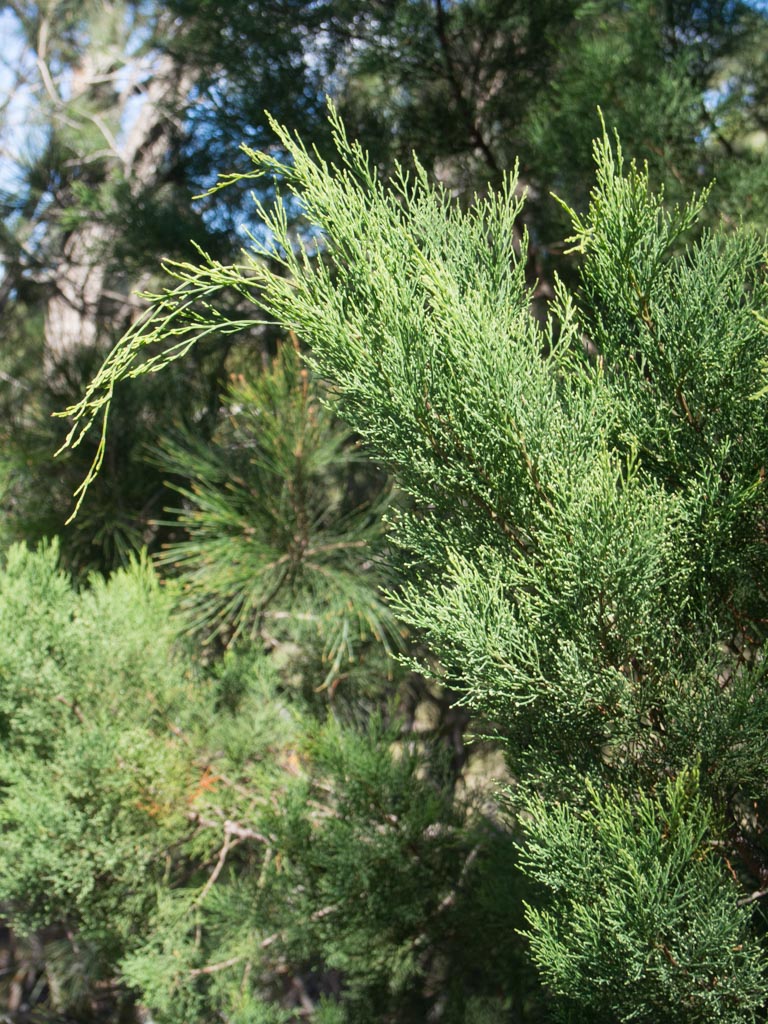
Branch with foliage on a tree in a closed stand of, primarily, Eucalyptus sp.; Tasmania [C.J. Earle, 2015.03.05].
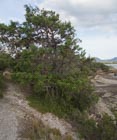
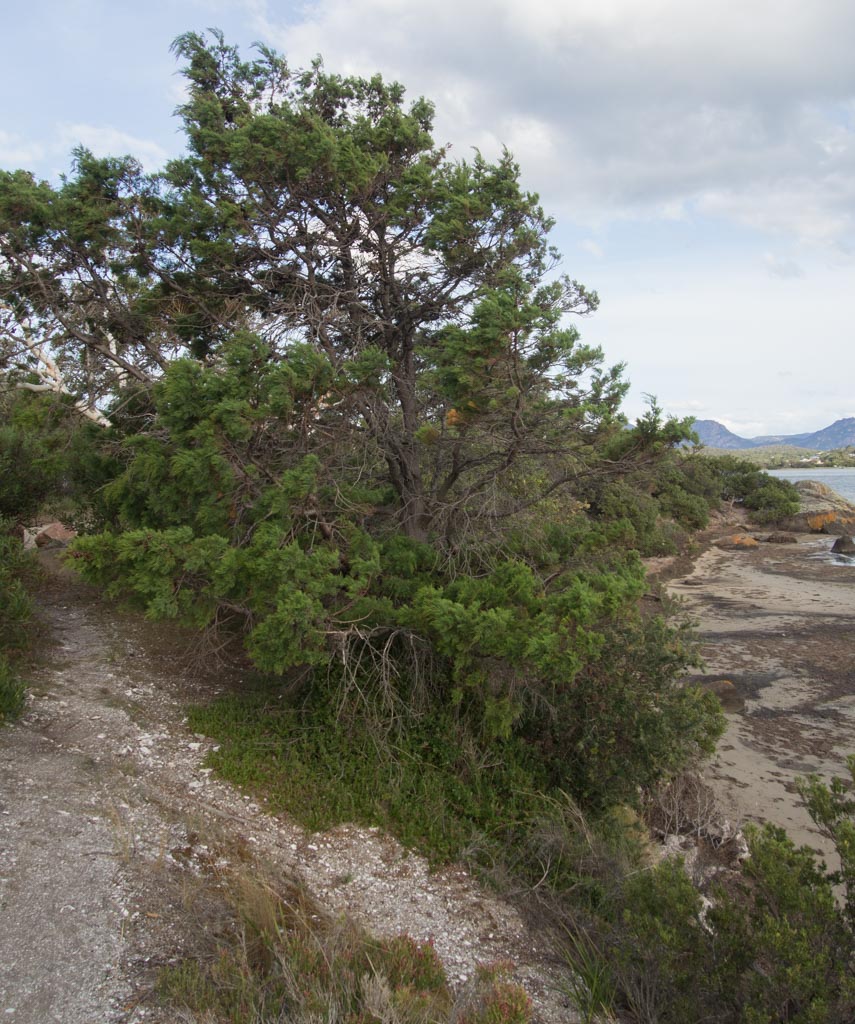
Tree growing by a coastal lagoon, Freycinet Natl. Park, Tasmania [C.J. Earle, 2015.03.05].
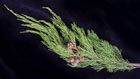
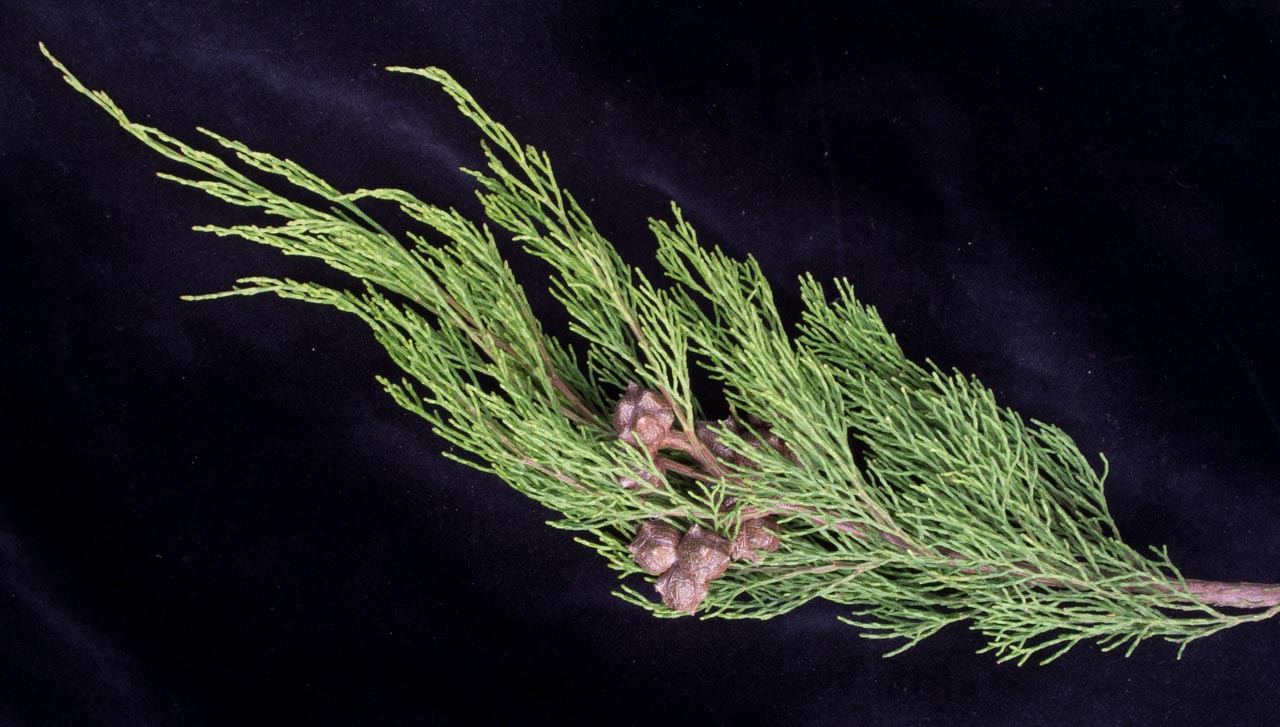
Branch with foliage and nearly-mature seed cones; Tasmania [C.J. Earle, 2015.03.07].
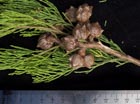
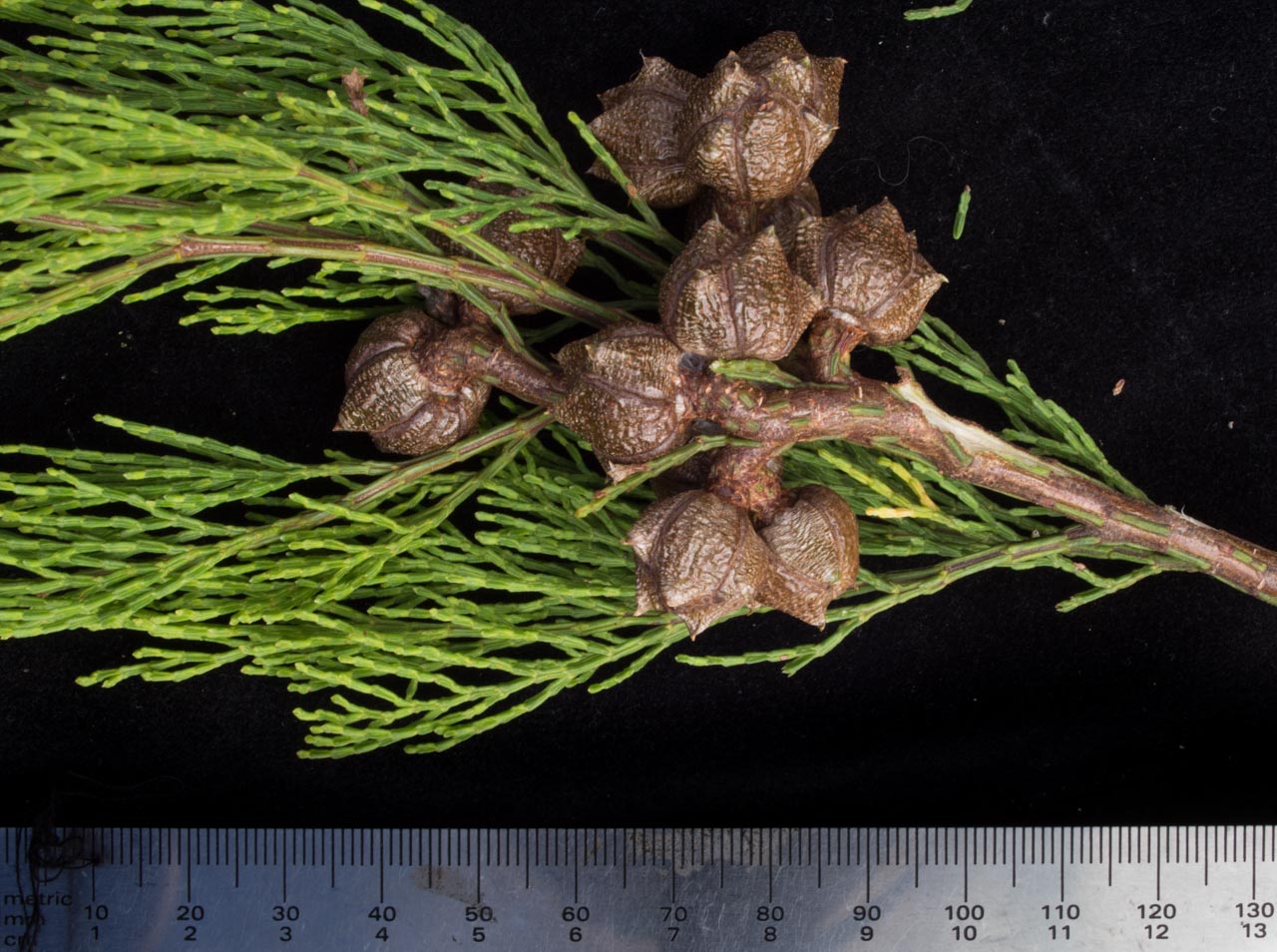
Detail of branch, foliage, and nearly-mature seed cones; Tasmania [C.J. Earle, 2015.03.07].
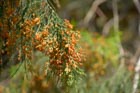
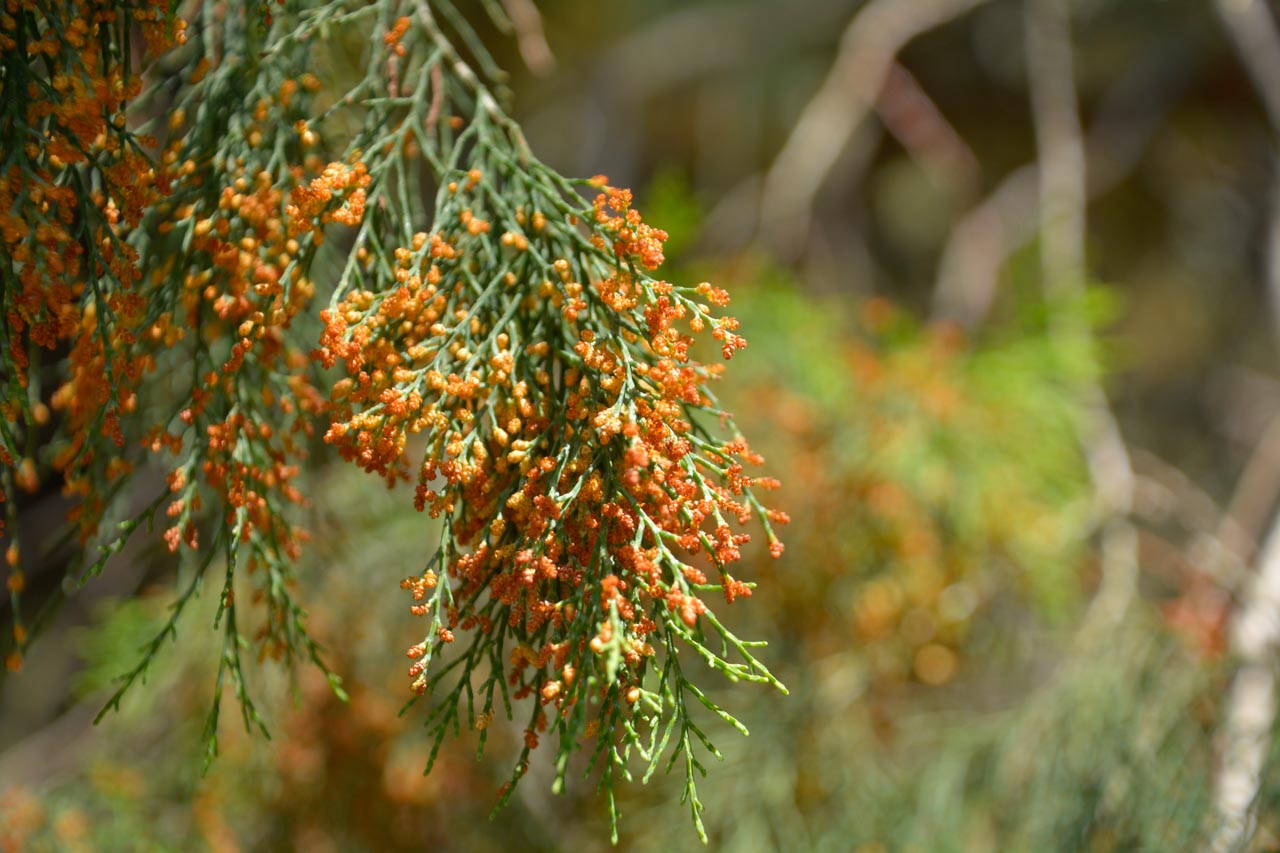
Foliage covered in ripe pollen cones; tree at the Australian National Botanic Gardens in Canberra [©Rick Fencl, 2017.11.24].
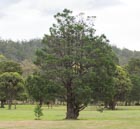
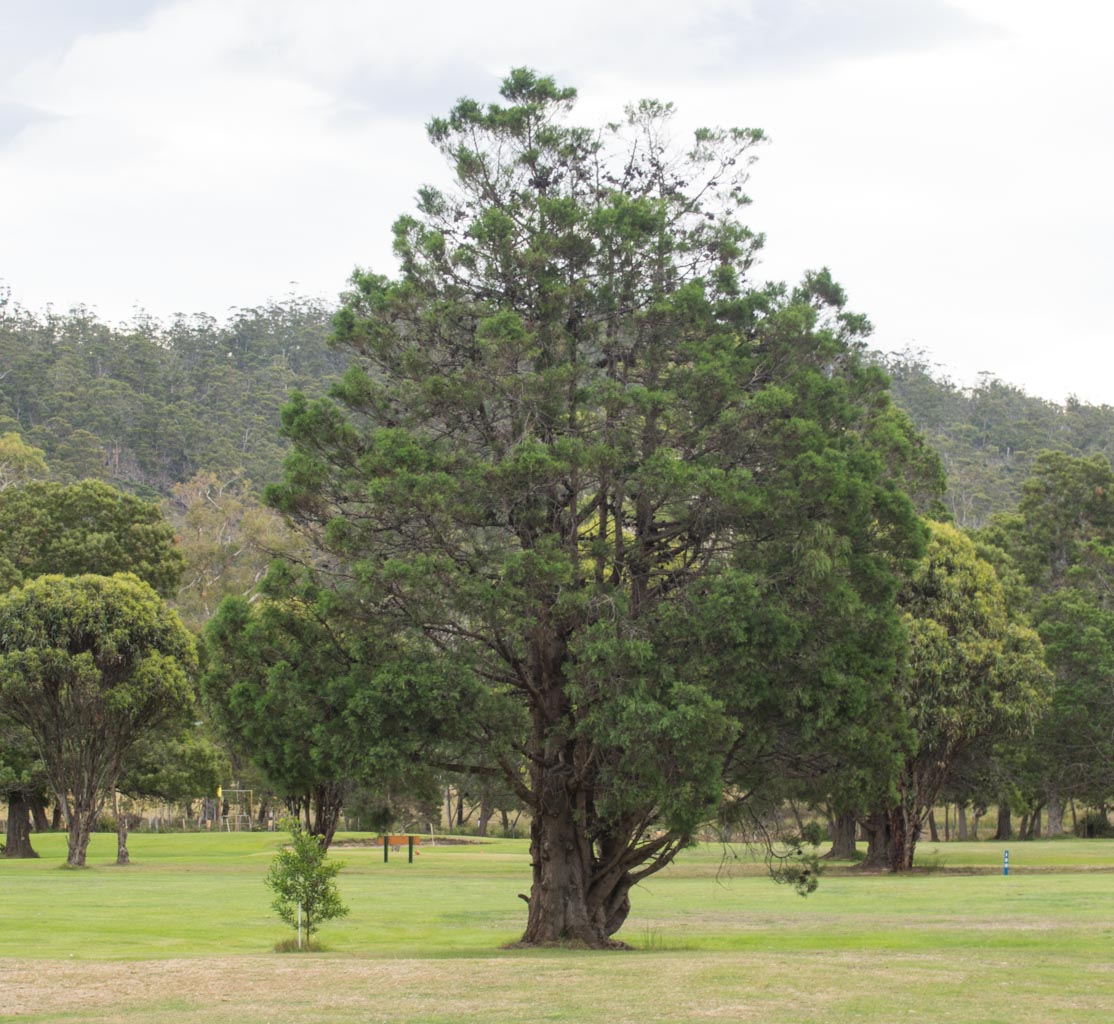
Mature, open-grown tree planted in a golf course, Tasmania [C.J. Earle, 2015.03.07].
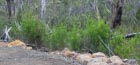
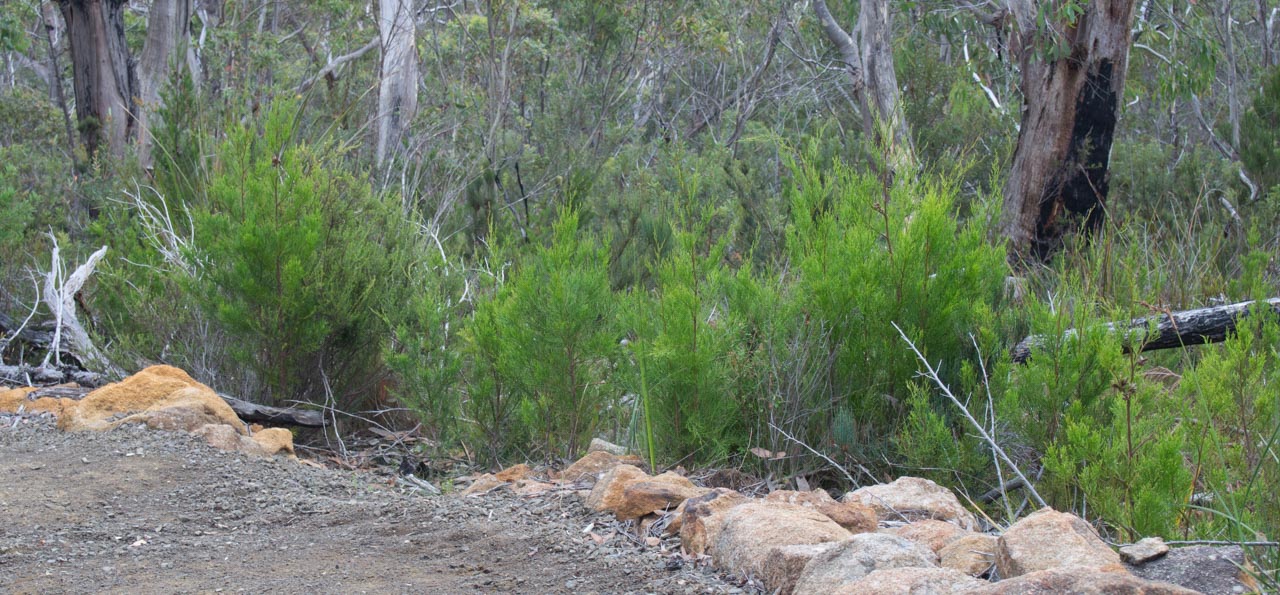
Dense postfire regeneration in a stand burned 2-3 years previously; Tasmania [C.J. Earle, 2015.03.08].
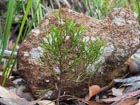
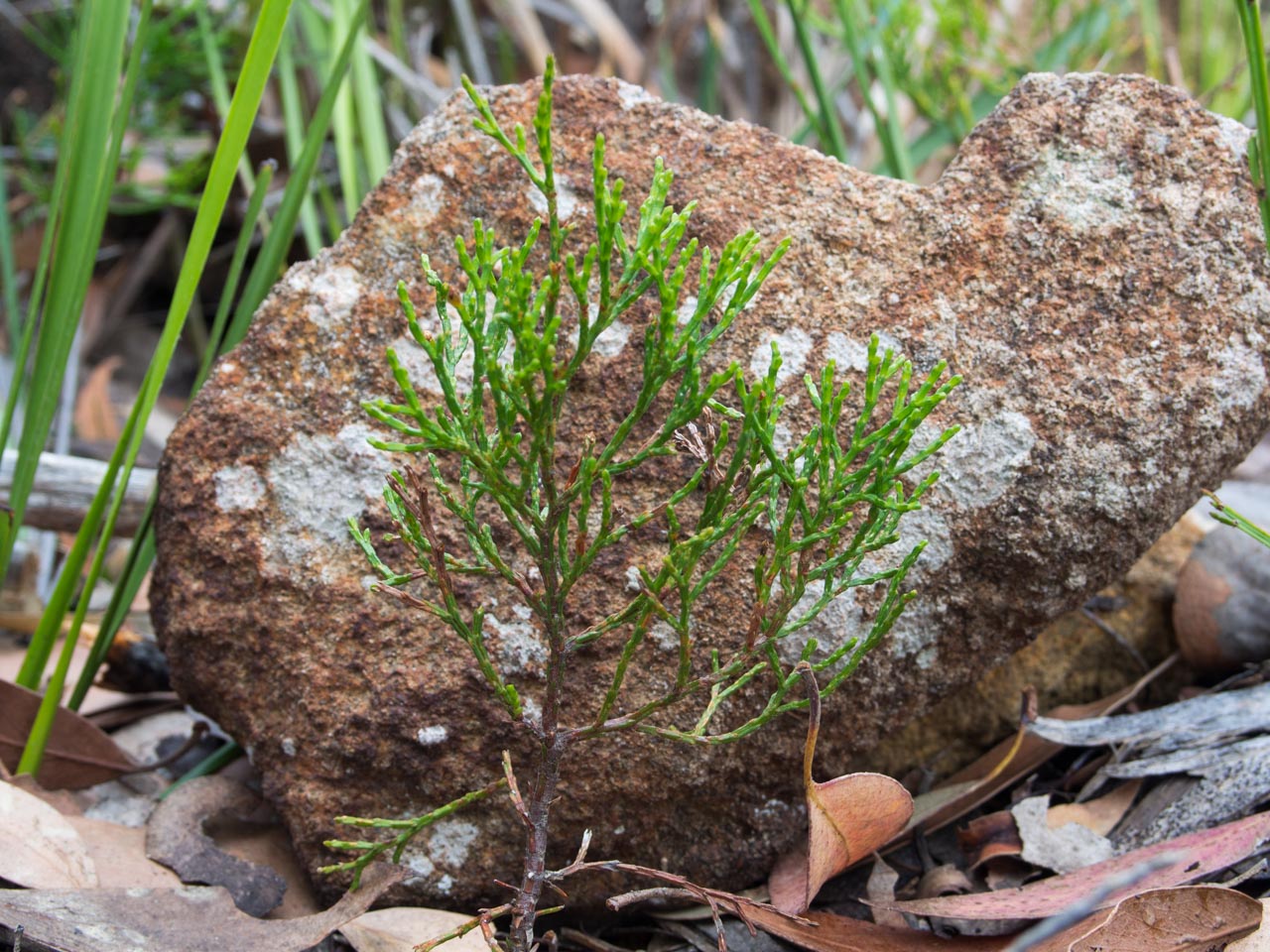
Seedling ca. 10 cm tall; Cape Hauy, Tasmania [C.J. Earle, 2015.03.08].
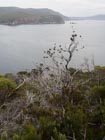
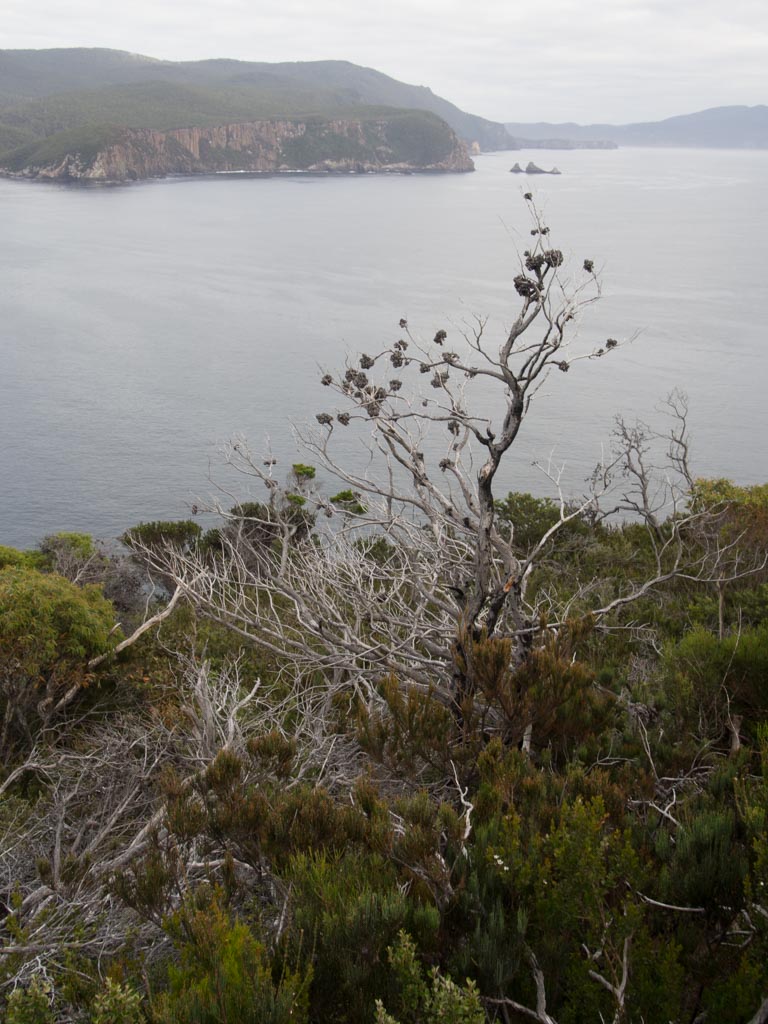
Burned tree covered in open cones; Cape Hauy, Tasmania [C.J. Earle, 2015.03.08].
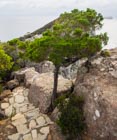
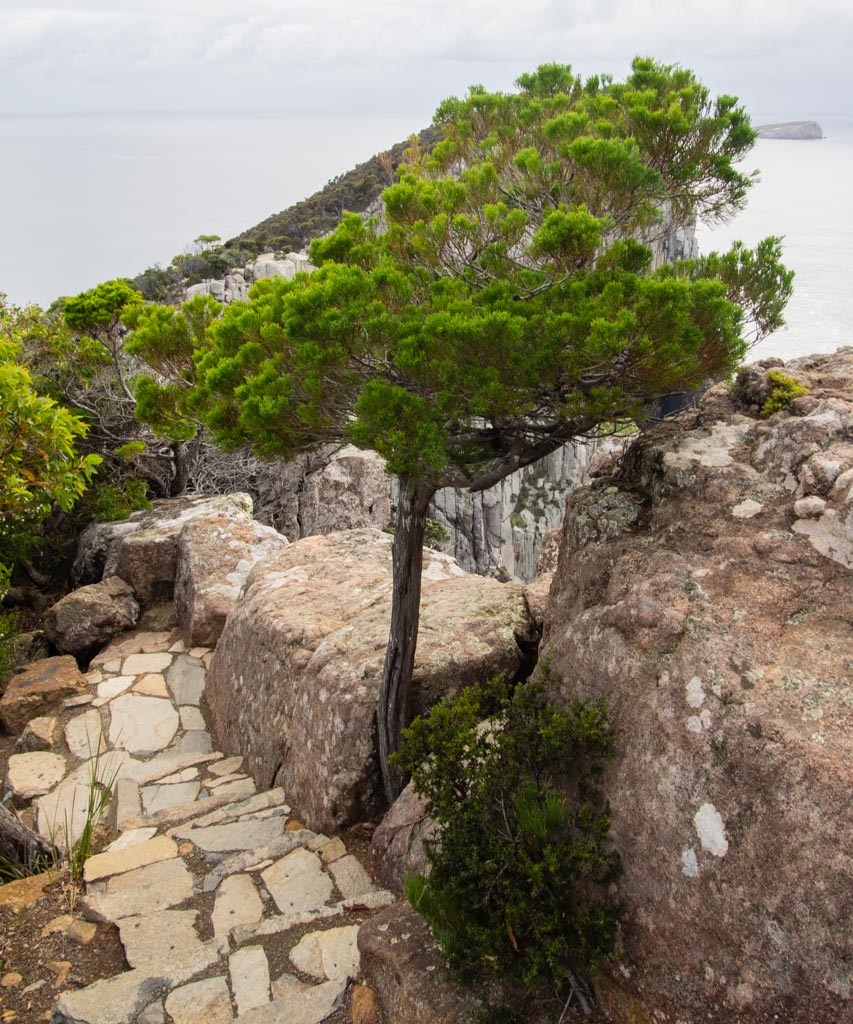
Short, strongly wind-formed tree on the Cape Hauy Track, Tasmania [C.J. Earle, 2015.03.08].

Callitris rhomboidea
R. Brown ex A. Rich. et Rich. 1826
Common names
Cypress pine, Port Jackson pine, Oyster Bay Pine, Illawarra Mountain Pine, dune cypress pine.
Taxonomic notes
Syn: C. cupressiformis F. Mueller; C. tasmanica (Bentham) R. T. Baker and H. G. Smith; Frenela attenuata A. Cunningham; F. rhomboidea Endlicher; F. triquetra Spach; Cupressus australis Desfontaine; Thuja australis Poiret; T. articulata Tenore (Dallimore et al. 1967).
Description
Small tree 9-15 m tall, diameter 29-44 cm, with a narrow, dense head of branches divided into a mass of small, slender sprays. Leaves bright green or glaucous, 2-3 mm long, closely pressed to the branchlets throughout their length, keeled dorsally, terminating in a short point. Female cones usually clustered on fruiting branches, remaining long after maturity, globose to depressed-globose, 8-20 mm diameter, grey-brown; cone scales 6, thick, rhomboidal, smooth with a prominent, pointed central boss, alternate scales about half the size of the larger, larger scales broader above and abruptly angled into a short wide apex; columella mostly short, occasionally to 3 mm long, 3-lobed or with 3 separate parts. Seeds dark brown, rounded, small, with 2 very narrow wings (Dallimore et al. 1967, Harden 1990).
Distribution and Ecology
Australia: Queensland, New South Wales, Victoria, Tasmania, & South Australia. Naturalized near Auckland, New Zealand (Dallimore et al. 1967). "Grows in woodland, on the coast and tablelands; widespread, but not common" (Harden 1990). Hardy to Zone 9 (cold hardiness limit between -6.6°C and -1.1°C) (Bannister and Neuner 2001).
Distribution data from Conifers of the World, downloaded 2017.12.18.
Although C. rhomboidea is a widespread species, it is one (along with C. oblonga) of just two Callitris species in Tasmania, and the two species occupy very distinct niches; they do not co-occur. The two taxa produce pollen at different times, so apparent hybrids are extremely rare. C. oblonga is largely riparian, while C. rhomboidea occupies well drained sites. Substantial areas of Tasmania that appear suitable for either or both of the two species have no populations of either, suggesting that neither species currently occupies its potential range in Tasmania (Harris and Kirkpatrick 1991).
Remarkable Specimens
A tree in Nelson Square, Picton, NZ was 7.5 m tall and 80.2 cm dbh when measured in February, 2012 (Notable Trees of New Zealand 2012).
Ethnobotany
"Timber used locally for buildings and poles, but not plentiful enough to be of any particular economic importance" (Dallimore et al. 1967).
This is the most ornamental of the native cypresses. It is tolerant of poor soils and coastal conditions, but drought sensitive on shallow soils (Anonymous 2002).
Observations
I have only seen it in Tasmania, where the best occurrences were on the Capy Hauy Track, which is a spectacularly beautiful trail that also allows you to see this species in closed forest, in recovery after fire, and in contorted but picturesque growth forms on spectacular sea-cliffs. It is also well displayed, in varied ecological settings, along the popular Peninsula Track in Freycinet National Park.
Remarks
Most plants, including most conifers, respond to drought stress with increased abscisic acid concertrations in foliage cells, in response to which the stomata close, thereby reducing water loss. When water is restored, abscisic acid levels slowly recover, and the stomata open. C. rhomboidea, however, shows a different response. Initially drought stress causes stomatal closure in response to abscisic acid increase, but then the response shifts to simply close stomata in response to highly negative water pressure potentials (i.e. in response to drought stress per se). As a result of this, C. rhomboidea can restore normal hydraulic functioning very quickly as soon as drought stress ends. This enables the plants to exploit and benefit from even very minor and transitory rainfall events, a clear adaptive benefit in a desert climate (Brodribb and McAdam 2013). It seems likely, but has not yet been shown, that this mechanism also operates in other Callitris species, and perhaps in other arid-site conifers.
Citations
Anonymous. 2002. http://ocean.fit.qut.edu.au/tsm/html/treetext.html, accessed 2002.01.18, now defunct.
Brodribb, Timothy J. and Scott A. M. McAdam. 2013. Abscisic acid mediates a divergence in the drought response of two conifers. Plant Physiology, DOI: https://doi.org/10.1104/pp.113.217877.
Harris, S. and J. B. Kirkpatrick. 1991. The distributions, dynamics and ecological differentiation of Callitris species in Tasmania. Australian Journal of Botany 39(3):187-202.
Notable Trees of New Zealand. Record MR/0956. http://register.notabletrees.org.nz/tree/view/956, accessed 2012.03.08.
Richard, L.C.M. 1826. Commentatio botanica de Conifereis et Cycadeis. Stuttgart: J.G. Cotta.
See also
Farjon (2005) provides a detailed account, with illustrations.

 Back to top